Crossing Time in Stone: Packhorse Bridges of the Peak District

Step onto weathered gritstone and explore the architectural heritage of the Peak District’s packhorse bridges, celebrating notable examples and the human stories stitched into their arches. We’ll wander from Three Shires Head to the relocated Derwent Packhorse Bridge at Slippery Stones, linger by Ashford’s Sheepwash Bridge, and uncover the craft, trade, and resilience that kept goods, people, and memories moving across moor, dale, and river through changing seasons and challenging centuries.

Salt and Wool on Narrow Backs

Cheshire salt moved east as fleeces traveled west, balancing the Peak’s economy on panniers and patience. Drivers timed departures with river levels and market days, trusting familiar bells, steady hooves, and memorized landmarks. Bridges hardened muddy crossings into reliable routes, replaced risky fords during spate, and created dependable chains of exchange that paid shepherds, tinkers, and innkeepers alike while shaping the quiet prosperity of dale-side villages.

Lead, Mills, and Moorland Crossings

Derbyshire lead ore, quarried from shallow rakes and deeper shafts, demanded sure-footed passage to smelt mills and buyers. When streams surged, fords vanished beneath froth and grit, forcing delays that cost real money. Narrow stone arches delivered resilience: dependable, elevated ways above turbulence. Their carefully set stones transformed seasonal gamble into workable routine, letting miners, millers, and merchants schedule with confidence despite weather’s whims across the wind-torn uplands.

Bells, Inns, and Night Travel

Packhorse bells were not decoration, but safety—warning on tight approaches, fog-blind bends, and moonless ridgelines. Strings of ponies followed practiced leaders from inn to inn, where courtyards offered shelter and gossip traded faster than goods. Familiar crossings anchored these journeys, stamping memory into stone. Tales tell of drivers pacing by starlight, counting steps to parapets they knew as well as their own hearths and kitchen thresholds.

Stone, Curve, and Craft: Anatomy of Endurance

Behind every graceful hump is engineering born from feel, experience, and local stone. Masons read river habits, set foundations into firm gravels, and built tight rings of voussoirs that press themselves stronger with each passing load. Low or absent parapets kept panniers clear; modest spans balanced economy and safety. What appears rustic is calibrated geometry, lime-bound rubble cores, and gritstone facing that resists frost, flood, and centuries of passage.

Bridges to Remember: A Short Grand Tour

From high moor to green dale, several crossings stand out for beauty, setting, and story. Visiting them is less a checklist than a conversation with craft and landscape. Expect changing light, quick weather, and water that never speaks the same word twice. Pause, listen, and you might hear trade echoing across centuries—goods moving, people meeting, and decisions in stone that still serve walkers, riders, and curious eyes today.

Three Shires Head, Where Counties Shake Hands

Here the River Dane gathers its grit among peat and heather, and a graceful packhorse bridge, with a companion arch nearby, links Cheshire, Staffordshire, and Derbyshire at a storied boundary. Reputed gatherings sought the ambiguity of borders, while drovers favored the reliable crossing. Visit early for solitude, watch golden light strike wet gritstone, and tread lightly on bog-frayed approaches that still show the faint groove of countless careful hooves.

Slippery Stones: The Bridge That Moved to Survive

When the Upper Derwent reservoirs transformed the valley, the old Derwent Packhorse Bridge was dismantled and carried to Slippery Stones, where it was reassembled stone by numbered stone. Look closely: some blocks still bear faint marks made for the move. Its relocated arch now frames a remote, resonant landscape. Cyclists, walkers, and memories pass over together, while distant dam walls remind us heritage can endure by adapting with dignity.

Sheepwash Bridge at Ashford: Work, Water, and Waiting

Beside the River Wye, this beloved crossing pairs a narrow stone bridge with a sheep pen once used to draw lambs through the water while ewes waited, tethered on the deck. Long relied upon by pack animals and villagers, it is now a favorite pause for photographs, picnics, and gentle reflection. Stand mid-arch, hear the river’s steady persuasion, and imagine fleeces rinsed bright before market days brought bustling trade.

Stories Beneath Each Arch

The Winter Bells That Found the Ford

An old account tells of a driver caught by sudden spate, snow swallowing landmarks and freezing thought. He unstrapped a bell, swung it slow, and listened for echo off familiar stone. The bridge answered with a softened ring, guiding ponies toward safety. Whether embroidered or exact, the lesson holds: small, practiced acts—sound, patience, attention—can turn a perilous crossing into a survivable, remembered path for those who follow.

Smugglers, Lead Rakers, and the Silent Watchers

Border places breed sidelong enterprise. Whispers tell of contraband spirits and off-the-books ingots slipping between watchful ridges, while gamekeepers and constables learned to read tracks like handwriting. Bridges rarely tell on anyone; they simply endure. Yet a chip in parapet, a scuff in cobble, or a cache of clay-pipe fragments can hint at meetings conducted quickly, decisions weighed in darkness, and the constant negotiation between need, law, and landscape.

Counting Stones, Tossing Coins, Keeping Promises

Many visitors pace parapets, counting stones for luck, or leave a coin discreetly where river-song grows bright. Couples promise to return when the hawthorns bloom; families trace initials in air rather than on stone. These small rituals matter. They train respect, keep hands gentle, and replace taking with offering. Share your own quiet practice, photographed or written, and help shape traditions that value care over wear, memory over marks.

Care, Law, and Respect on the Trail

These crossings are often protected as listed structures or scheduled monuments, which means even well-intended fixes can harm. Lime, not cement; gentle vegetation control, not ripping roots; measured monitoring after floods, not hurried patching. Visitors steward the future, too: step wide of tender banks, keep dogs steady near livestock, and never ride heavy bikes or horses across fragile spans. With awareness, admiration becomes action, preserving grace without freezing living places.

Plan Your Own Crossing: Routes, Seasons, and Skills
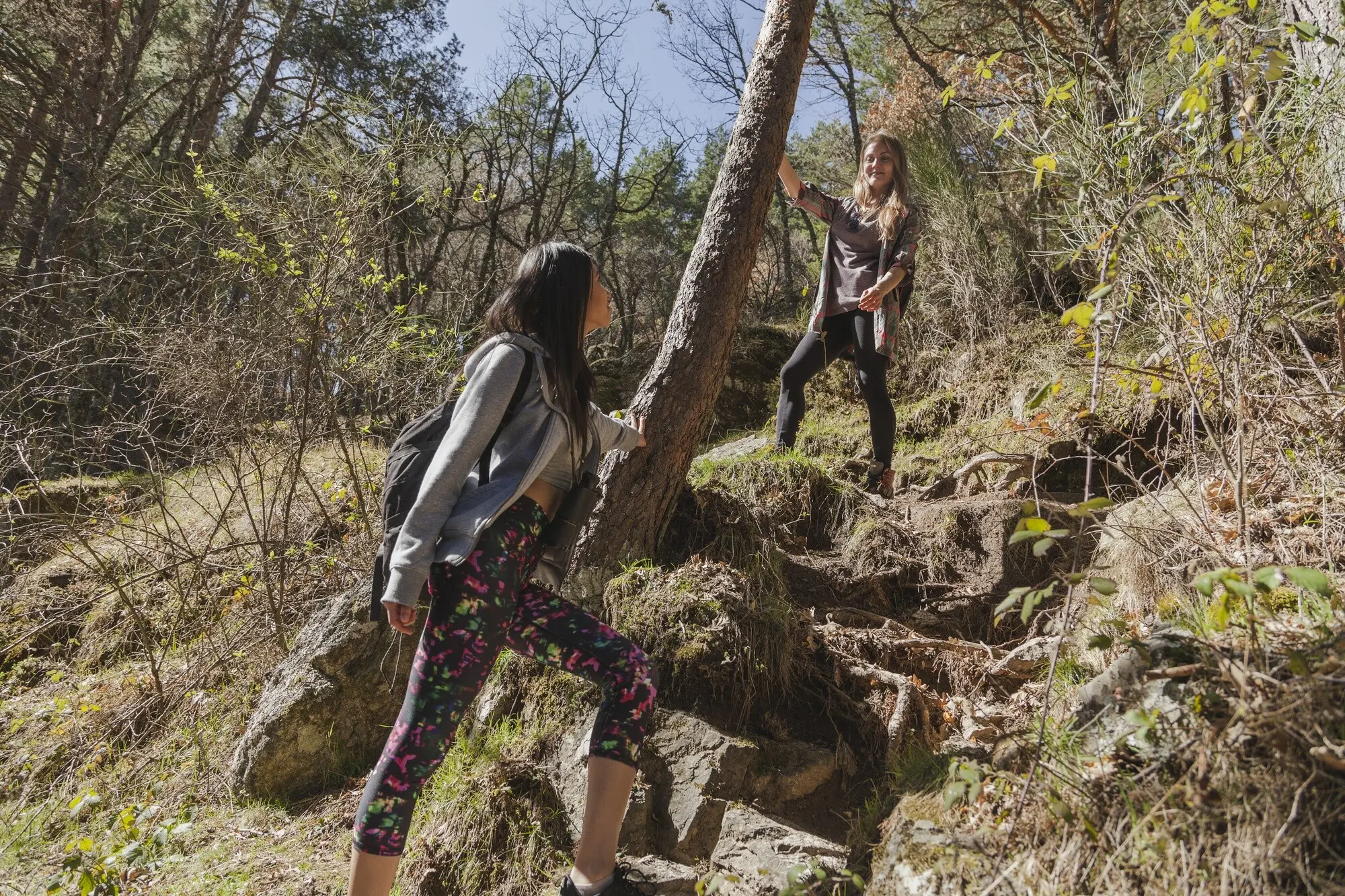
Linking bridges turns admiration into understanding. Plot gentle dales for family wanders or wilder moorland loops for long daylight and sure footing. Carry a map, check river levels, and remember weather moves quickly between valleys and edges. Dawn gifts empty approaches; golden hour flatters stone; winter teaches caution. Build stops for stories, sketching, or quiet. Then return in another season, noticing what remains constant and what the water has rewritten.
Lentodarifexo
Privacy Overview

This website uses cookies so that we can provide you with the best user experience possible. Cookie information is stored in your browser and performs functions such as recognising you when you return to our website and helping our team to understand which sections of the website you find most interesting and useful.