
Bridges, Clues, and Laughter in the Peaks
Where Stone Arches Meet Curious Minds
Picking the Perfect Bridge
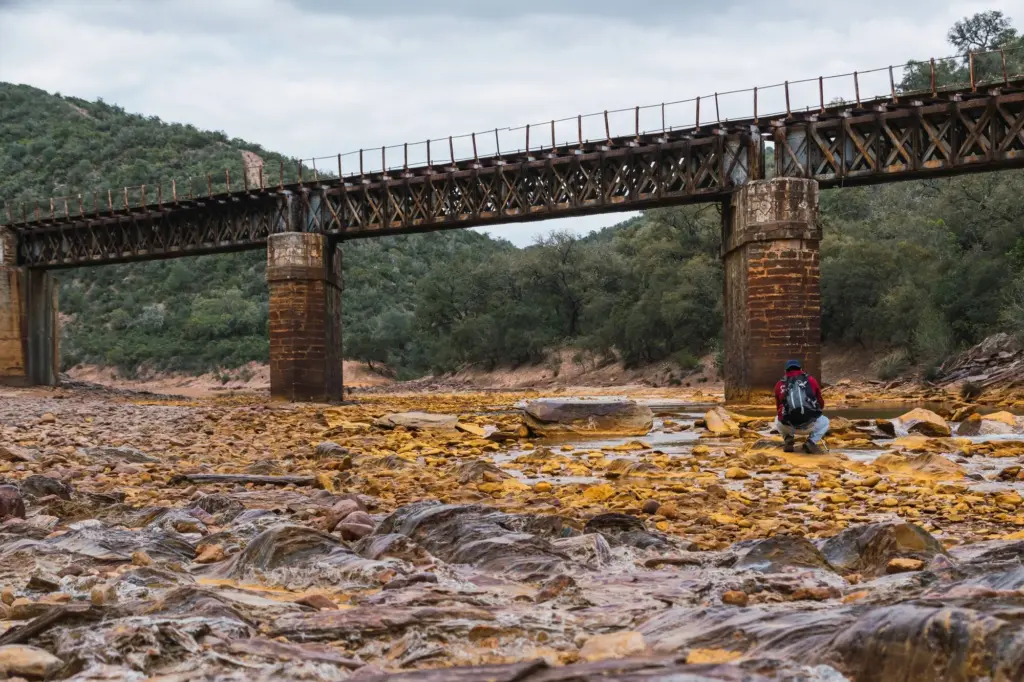
Look for low parapets, broad cobbles, and good approaches that remain firm after rain, reducing slips while framing dramatic photos. Seek sites with nearby lay-bys or village parking, short approaches from stiles, and optional extensions, letting you scale excitement up or down without pressure or hurry. If in doubt, choose shorter and celebrate surprises.
Plotting a Loop the Whole Crew Enjoys
Loops beat out-and-back journeys by revealing new views and steady motivation. Link the bridge to a woodland path, a riverside meadow, or a quiet lane, placing a midpoint treat, story stop, or small cache so energy never dips and every step feels purposefully delightful. Finish with a playful race back to the signpost.
Timing Your Adventure
Arrive early for soft light, calmer paths, and cooperative toddlers. In summer, shade matters; in winter, daylight dictates pace. Use a simple turnaround rule, weather window, and snack alarms so finishing strong feels inevitable, celebrated, and wonderfully repeatable for the entire crew. Leave a little longing so everyone begs to return.
Clues that Spark Wonder
Simple Safeguards for Rivers and Rocks
Access, Parking, and Prams
Packing Magic into Small Backpacks
Navigation and Wayfinding Essentials
Print a simple map with a marked loop, bridge icon, and three mystery stars. Laminate it or use a clear pouch. Teach kids to orient with a thumb compass, sun position, and landscape shapes, then award navigator badges for calm decisions and observant turns. Confidence grows each time paper beats blinking screens.
Creativity Kit for Clues
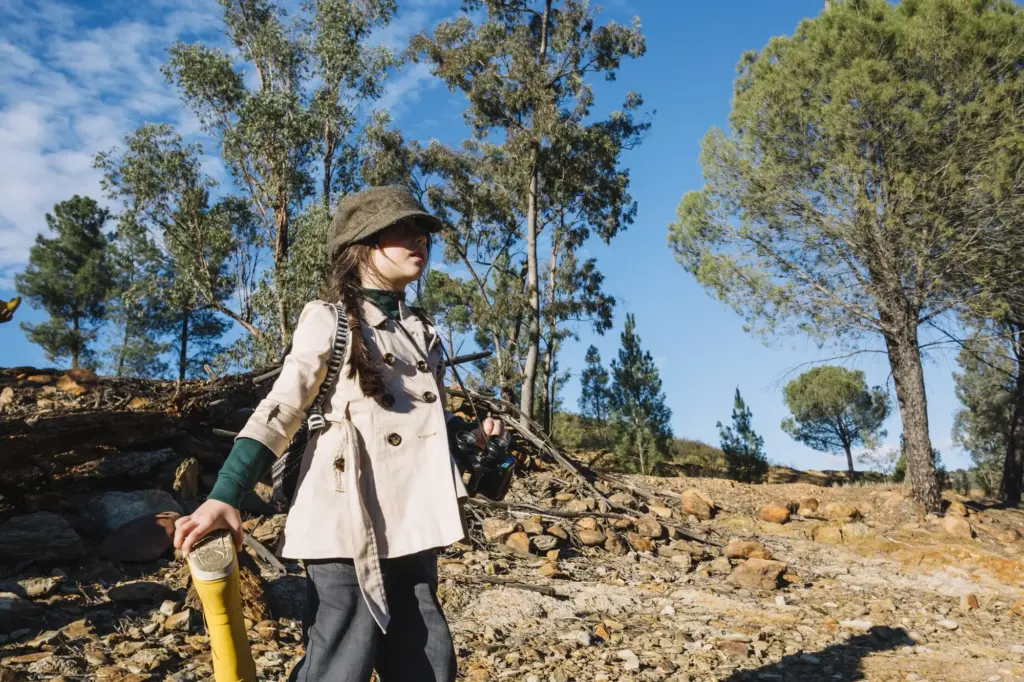
Pack index cards, washi tape, wax crayons for bark rubbings, a tiny stamp pad, and a pocket ruler. These low-tech tools power riddles about span lengths, stone widths, and shadow angles, transforming ordinary pauses into joyful laboratories of measuring, sketching, and collaborative deduction. Simple materials deliver astonishingly rich, adaptable play.
Stories that Bring Old Paths to Life
Share, Celebrate, and Return
All Rights Reserved.